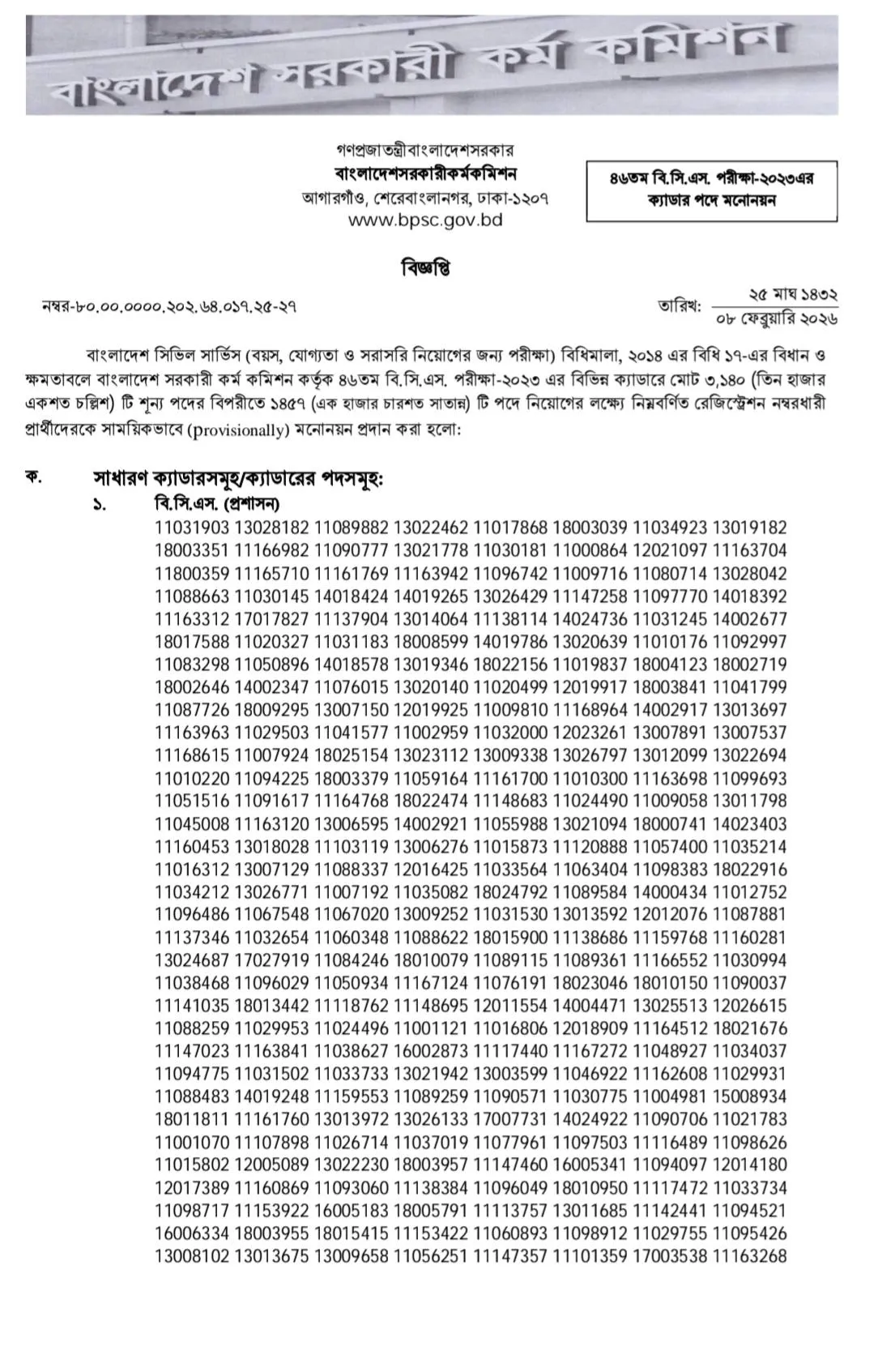
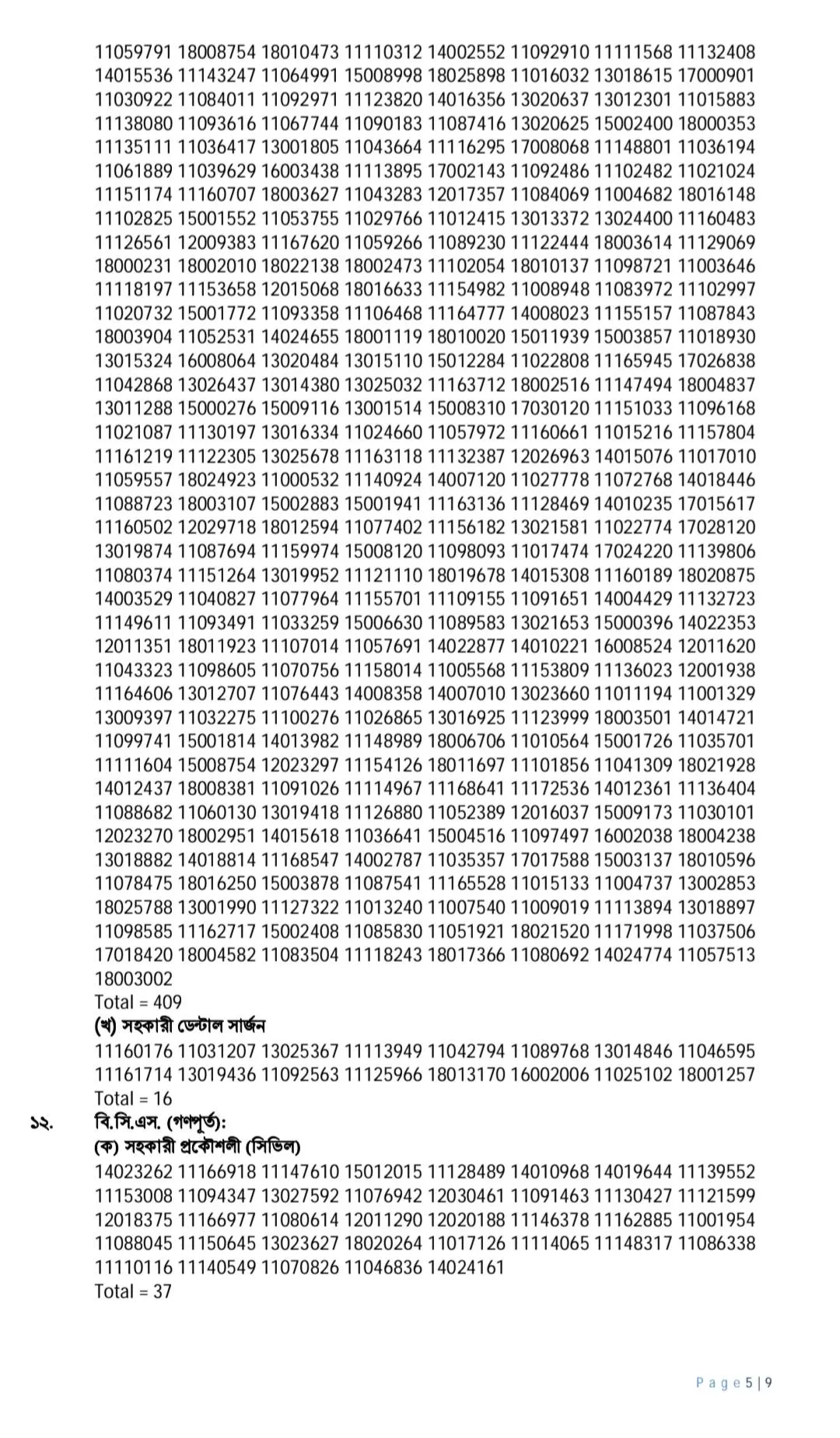
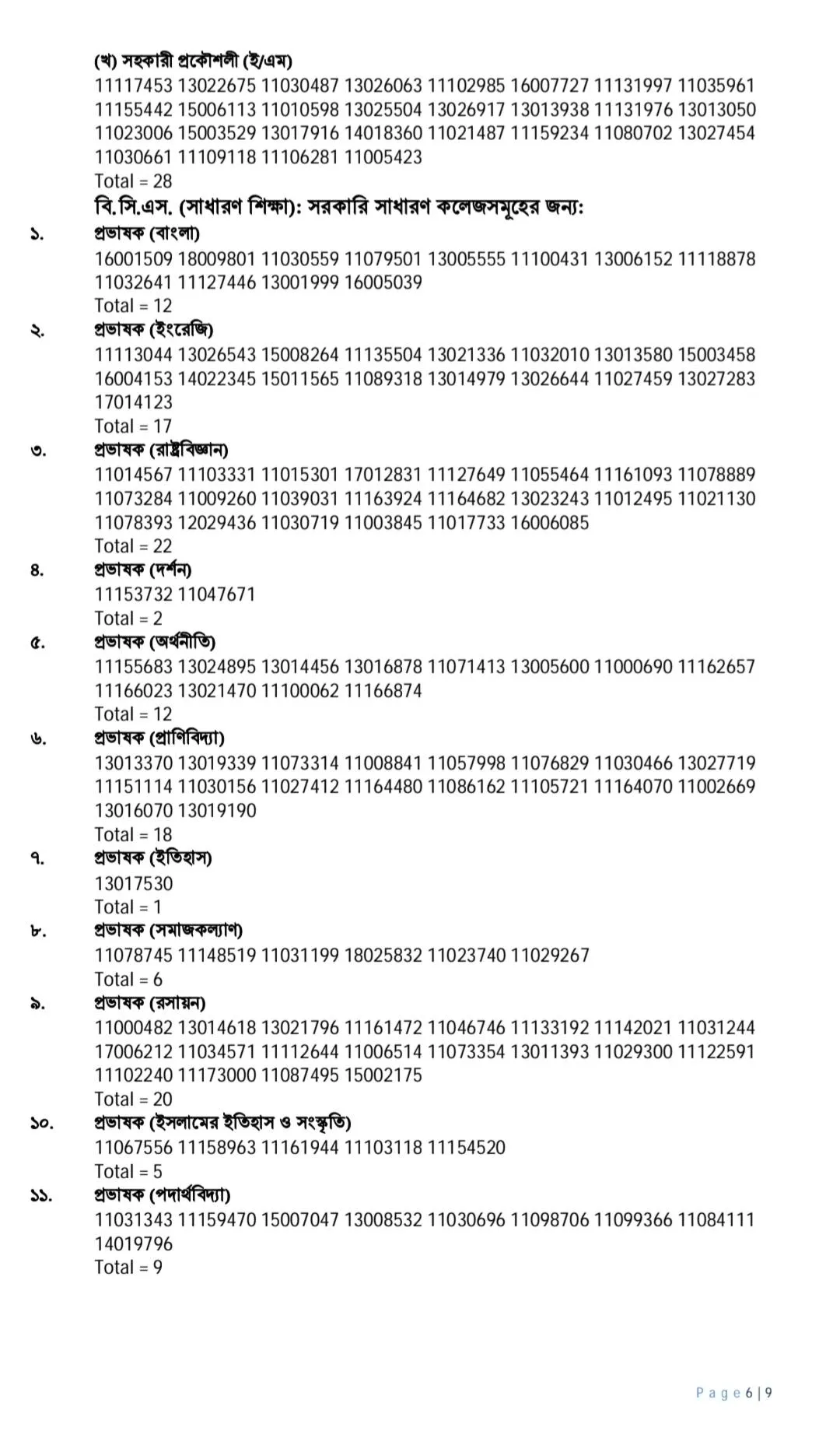
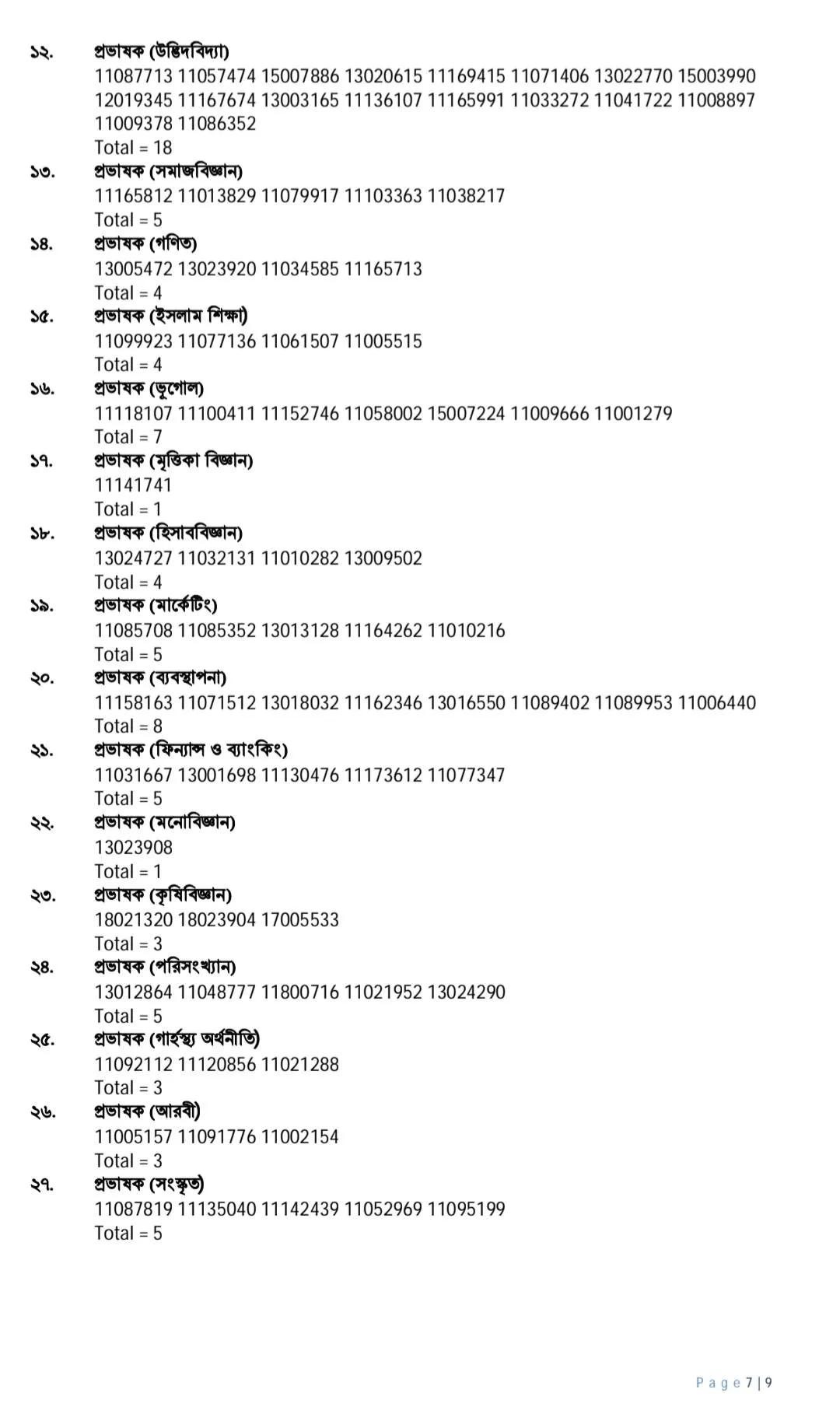
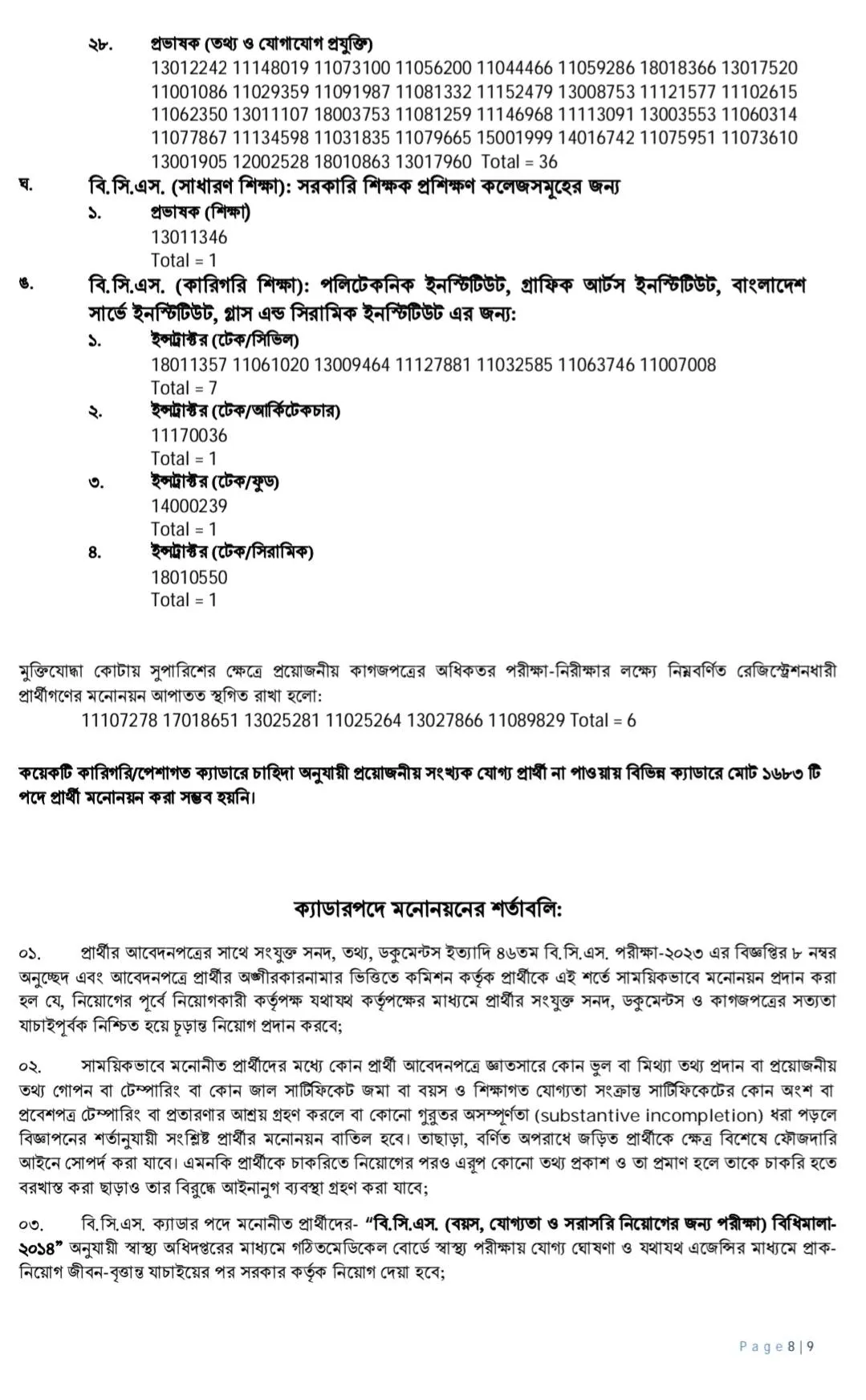
It’s been a long wait, but the moment thousands of aspirants have been holding their breath for is finally here. On Sunday, February 8, 2026, the Bangladesh Public Service Commission (BPSC) released the 46th BCS Final Result 2026 of the Bangladesh Civil Service (BCS) examination.
If you’ve been following the updates, you know the anticipation has been intense. For the 1,457 candidates who saw their registration numbers on the recommendation list, life is about to change significantly. They have been provisionally recommended for various cadres against a total of 3,140 advertised vacant posts.
While this is a time for celebration for the successful candidates, the results have also sparked a serious conversation. We are looking at a scenario where more than half of the advertised positions remain unfilled. Let’s break down what happened, look at the numbers, and understand what this means for the future of the civil service in Bangladesh.
Quick Summary: 46th BCS Final Result 2026
The 46th BCS final result was published on February 8, 2026. A total of 1,457 candidates were provisionally recommended against 3,140 advertised posts, leaving over 1,600 vacancies unfilled due to merit, technical shortages, and strict selection standards.
46th BCS Final Result 2026 Published । Full Details, Insights
Why Only 1,457 Candidates Were Recommended in 46th BCS
The most talked-about aspect of this year’s result isn’t just who got in, but how many spots were left empty. When the 46th BCS circular was first published, the goal was to fill 3,140 vacancies. Yet, the final recommendation list contains only 1,457 names.
This leaves a massive gap of over 1,600 positions that are technically still vacant. If you are wondering why this happened, you aren’t alone. Usually, such a discrepancy points to a few specific realities in the recruitment process:
Strict Quality Control: The BPSC often maintains a very high standard for passing. If candidates do not meet the minimum competency levels in the written or viva exams, the commission prefers to leave the post vacant rather than lowering the bar.
Technical Cadre Shortages: Often, the unfilled posts belong to highly specialized technical or professional cadres (like medical, engineering, or education). If there aren’t enough applicants with the required degrees who also clear the general BCS hurdles, those seats stay empty.
The Non-Cadre Option: Sometimes, candidates who pass the written and viva exams but don’t score high enough for a specific cadre are kept on a waiting list for non-cadre jobs. This might explain why the primary list seems short.
This gap is significant because it impacts how quickly government offices can get the manpower they need. However, it also sends a strong message that the civil service is prioritising merit and specific qualifications over simply filling headcounts.
Cadre-Wise Breakdown of 46th BCS Final Result
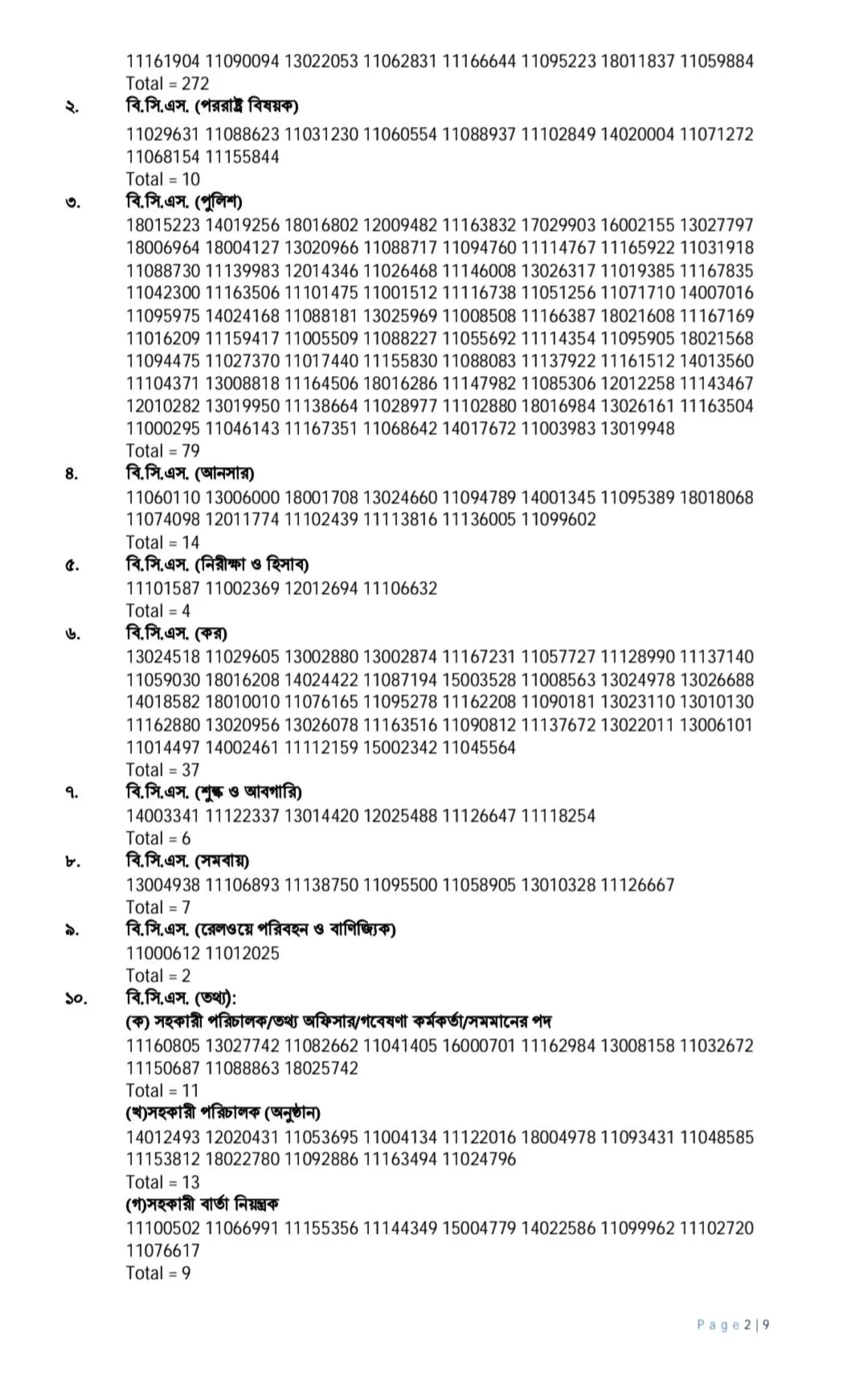
For those who made the cut, the distribution of cadres is quite interesting. The 1,457 recommended candidates are spread across various sectors, ensuring that different arms of the government get fresh leadership.
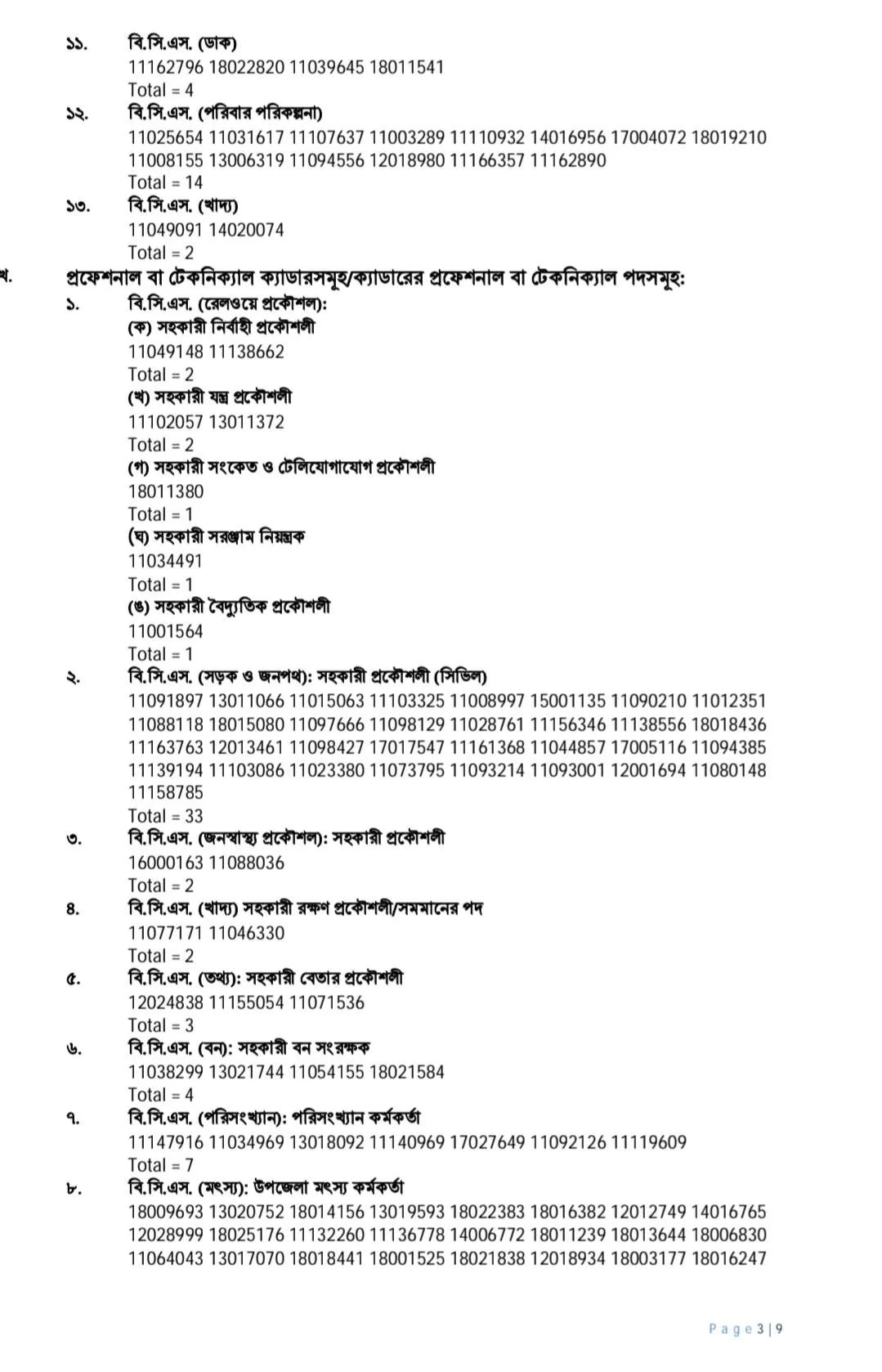
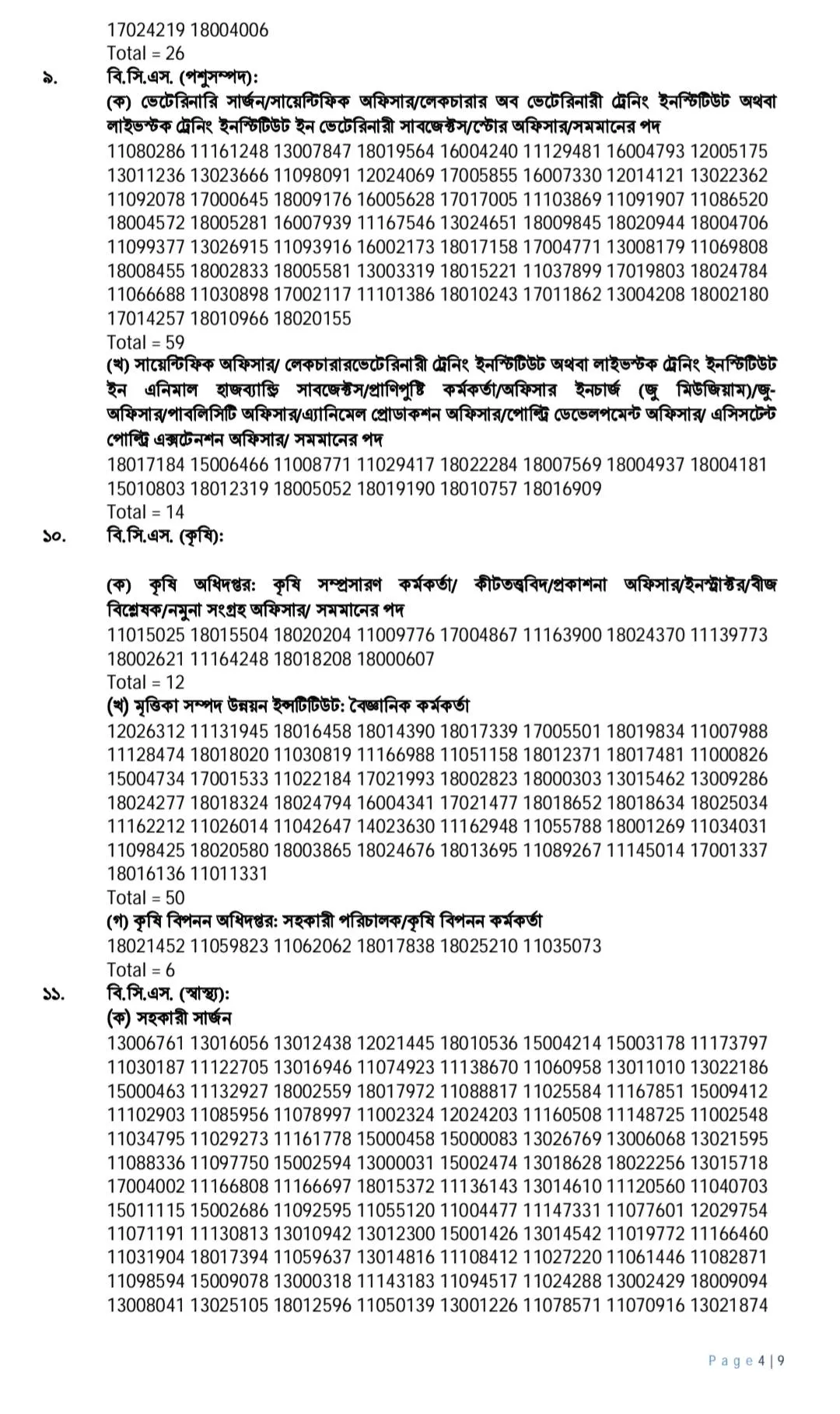
Here is a closer look at how some of the key cadres were distributed in this result:
Administration Cadre (272 Candidates): Often considered the most sought-after cadre, these 272 individuals will eventually serve as Assistant Commissioners and Executive Magistrates. They are the backbone of field administration, responsible for law and order, land management, and implementing government policies at the grassroots level.
Police Cadre (79 Candidates): These 79 candidates will join as Assistant Superintendents of Police (ASP). Their role is critical for internal security. Given the demanding nature of the job, the selection process here is particularly rigorous, looking for candidates who demonstrate both mental resilience and leadership potential.
Health Cadre (Assistant Surgeons): A large portion of the recommendations usually goes here. These doctors are vital for the public health infrastructure, serving in Upazila Health Complexes and district hospitals where they are often the first line of medical support for rural populations.
Agriculture Cadre (68 Candidates): As an agrarian economy, Bangladesh relies heavily on these officers. They work as Agriculture Officers, helping to modernise farming techniques, ensure food security, and support farmers with new technologies and crop management strategies.
Education Cadre: Though the specific number fluctuates, this cadre absorbs a significant number of candidates to serve as lecturers in government colleges. They play a pivotal role in shaping the next generation of students across the country.
Tax Cadre (37 Candidates): These officers will join the National Board of Revenue as Assistant Commissioners of Taxes. Their job is crucial for the country’s economy, as they manage revenue collection and ensure tax compliance.
Foreign Affairs Cadre (10 Candidates): Representing Bangladesh on the global stage, these 10 individuals will start a career in diplomacy. It is a small, highly competitive cohort tasked with handling international relations and protecting the country’s interests abroad.
Livestock and Fisheries (73 and 26 Candidates respectively): These technical officers are essential for the protein sector of the country. They work on increasing production, managing diseases, and ensuring the sustainability of the fish and livestock industries.
Engineering (Civil) (33 Candidates): These engineers will likely join the Public Works Department (PWD) or similar bodies, overseeing the construction and maintenance of government infrastructure, from roads to public buildings.
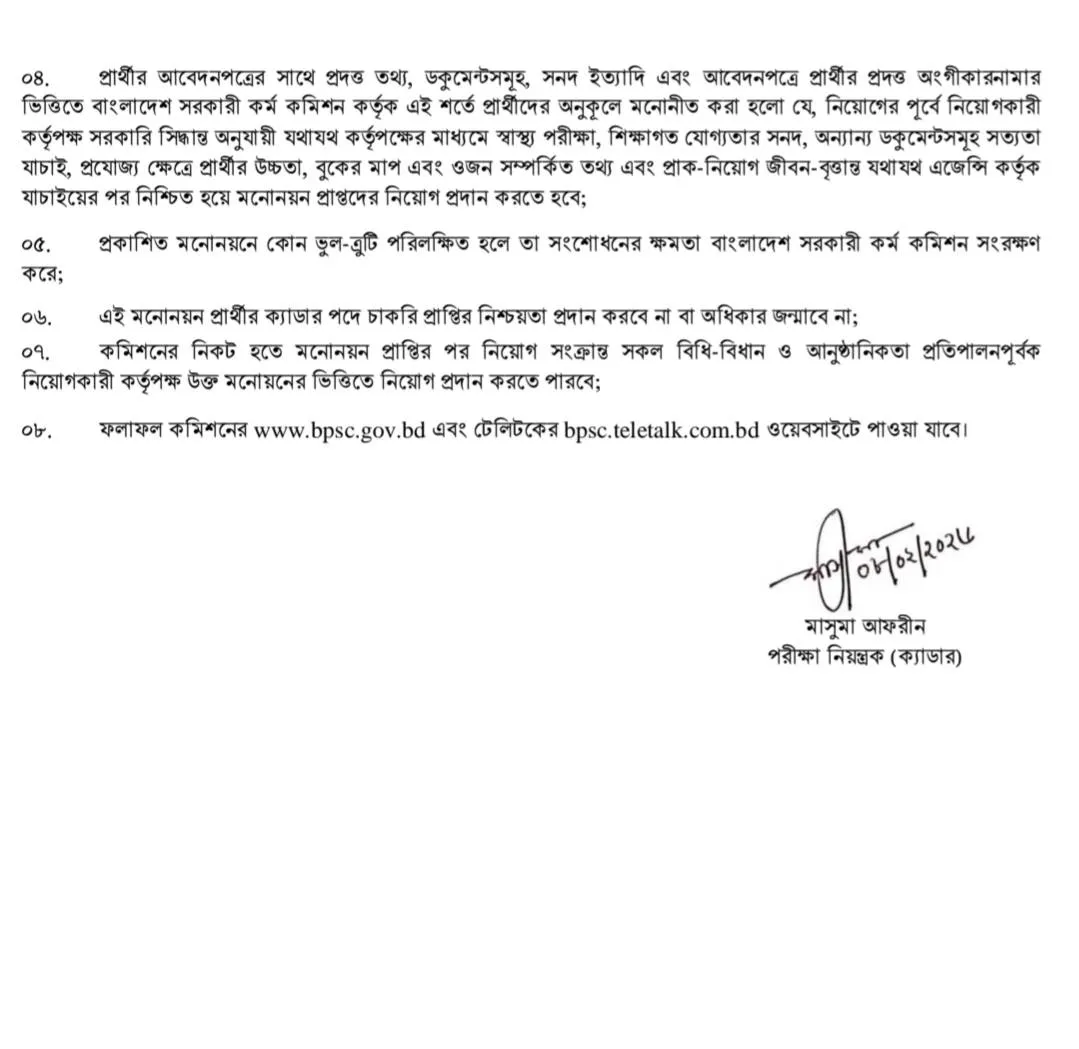
and many more……….. see the image below.
46th BCS Final Result 2026 Published । Full Details, Insights
What “Provisionally Recommended” Really Means
It is important to clarify one thing that often confuses people: a recommendation is not an appointment letter. The term “provisionally recommended” is used for a reason.
The journey isn’t quite over for these 1,457 candidates. Before they can officially join the service, they must clear two major final hurdles:
Medical Examination: A medical board constituted by the Directorate General of Health Services will conduct a thorough health checkup. Candidates must be physically and mentally fit to perform their duties. Issues like color blindness (for specific cadres) or other chronic conditions can sometimes be a barrier.
Police Verification (VR): This is perhaps the most nerve-wracking part of the post-result phase. Agencies will verify the candidate’s background, permanent address, and character. They check for any criminal records or involvement in “subversive activities.” If any information provided in the application form (like home district or quota eligibility) turns out to be false, the recommendation can be cancelled immediately.
Only after clearing these checks will the Ministry of Public Administration issue the final gazette notification joining the service.
What Successful Candidates Should Do Now
Candidates who have been temporarily nominated should proceed carefully and responsibly. The next phase requires attention to detail rather than academic preparation.
Key steps include:
Reading the official notification thoroughly and following instructions exactly
Preparing required documents in original and verified copies
Attending medical examinations on the scheduled date
Cooperating fully during police verification
Avoiding rumors and relying only on official updates
Missing deadlines or ignoring instructions at this stage can jeopardize an otherwise successful outcome.
Guidance for Candidates Who Were Not Selected
If your name does not appear in the final list, it does not mean your effort was wasted. Many civil servants achieved success after multiple attempts, often learning valuable lessons from earlier failures.
To move forward effectively:
Review your performance objectively and identify weak areas
Adjust your preparation strategy instead of repeating the same approach
Focus on writing quality, time management, and conceptual clarity
Maintain consistency rather than relying on short-term motivation
The BCS examination rewards long-term discipline more than one-time brilliance.
Reactions from Candidates and the Public
For candidates who secured nomination, the result represents years of persistence, sacrifice, and focused effort. Families, mentors, and well-wishers often view this achievement as a shared success, reflecting long-term support systems behind each candidate.
On the other hand, many capable candidates were not included in the final list. This disappointment is understandable, but it is important to remember that the BCS examination is among the most competitive recruitment processes in the country. A single outcome does not define a candidate’s ability or future potential.
Final Thoughts
The 46th BCS has been a test of endurance. From the preliminary exam to the written stage, and finally the viva voce, candidates have spent years preparing for this. For the successful 1,457, this result is the fruit of sleepless nights and relentless study.
For the vacancies that remain, it will be interesting to see how the Public Service Commission addresses them. Will there be a special BCS? Will they be carried over to the 47th or 48th BCS? Only time will tell.
For now, congratulations to the recommended candidates. You are stepping into a role that offers a unique opportunity to serve the nation directly.
You can view the full detailed result PDF on the official Bangladesh Public Service Commission website at www.bpsc.gov.bd or the Teletalk portal at bpsc.teletalk.com.bd.
****Updated based on BPSC official notice – February 2026
The dailyictpost.com team presents job recruitment notices, various government and private job question solutions, government post activities and technology-based information in simple and practical language. Along with this, we explain ICT, mobile, computer, apps, online income, digital tools, government services, national elections and cyber security-related issues in such a way that the reader can understand and learn.
We believe that learning technology is not difficult, if it is explained correctly. Therefore, we present complex topics like using new software, mobile settings or digital marketing step by step in such a language that it feels like someone is sitting next to you and explaining it in a simple way.
Our goal is only one - that the reader gets accurate information, learns with confidence and can use that knowledge in real life.