It is February 2026, and the atmosphere in Dhaka is unlike anything we have seen in decades. As I walked past the tea stalls in Farmgate this morning, the conversation wasn’t just about politics- it was about the price of essentials, the future of jobs, and the stability of the Taka. We have been through a rollercoaster since the 2024 uprising, and now, as the nation heads to the polls for the 13th Parliamentary Election, the single biggest question on everyone’s mind is the election impact on economy Bangladesh.
This isn’t just a theoretical debate for economists; it is about your wallet, your business, and your future. Whether you are a garment factory owner in Savar or a freelancer in Rajshahi, the ripple effects of today’s vote will touch you. Let’s dive deep into what this means for us, stripping away the jargon and looking at the real-world Bangladesh election economic impact. Stability, not slogans, will determine Bangladesh’s economic direction in 2026.
Election Impact on Economy Bangladesh 2026: Why This Election Matters
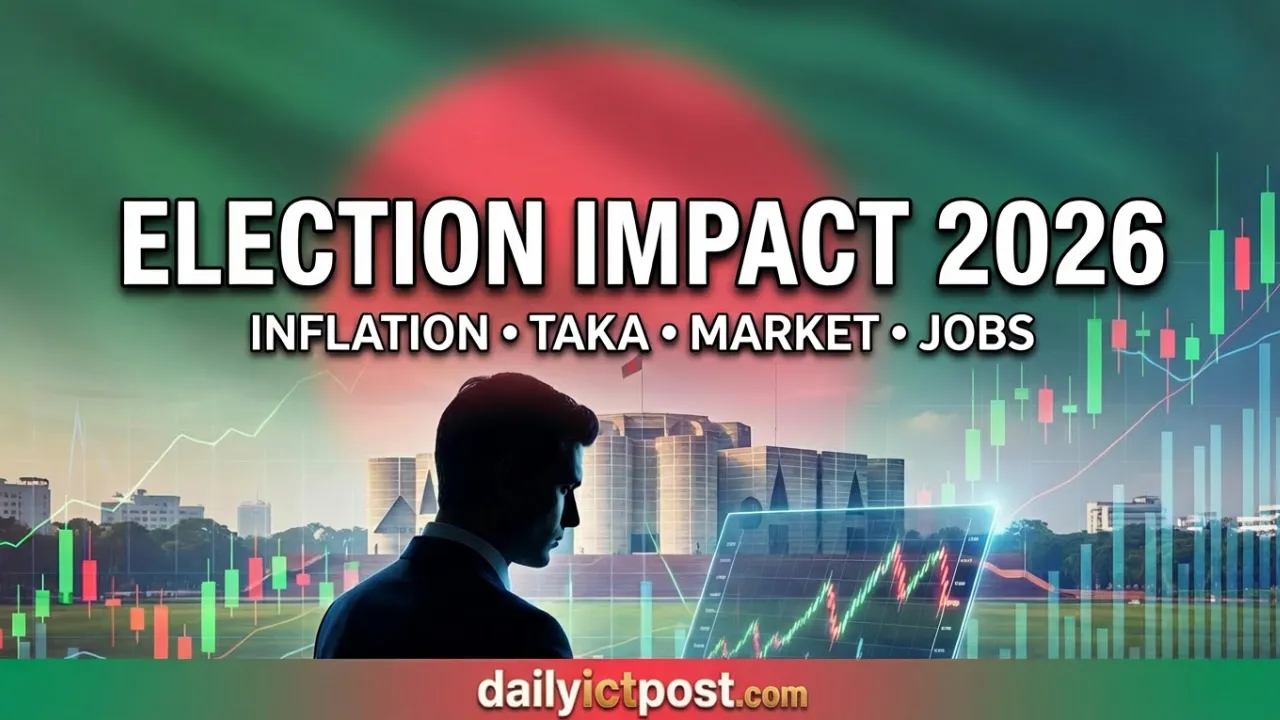
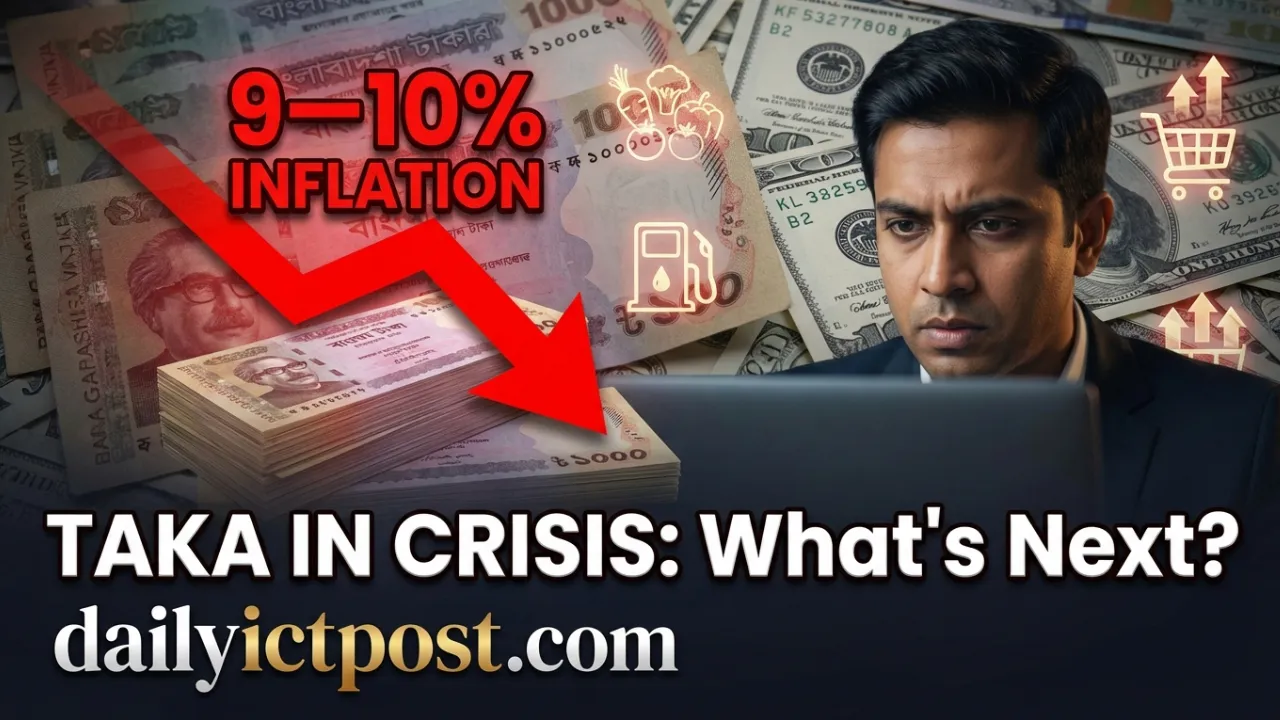
Inflation remains near 9–10%
Taka under pressure against USD
Stock market reacting to stability signals
Businesses waiting for policy clarity
Youth unemployment remains high
The economic direction taken after February 2026 will determine whether Bangladesh accelerates toward growth or faces renewed uncertainty.
Election Impact on Economy Bangladesh 2026 Inflation, Stock Market & Business Outlook
1. Election Impact on Economy Bangladesh 2026: What You Need to Know
Let’s be real—elections are expensive. The sheer amount of cash pumped into the economy for campaigns—printing posters, hiring transport, organising rallies—creates a temporary bubble. This spending increases the money supply, which can lead to a quick spike in inflation. The short-term economic impact of the election in Bangladesh often feels like a sugar rush; there is a lot of activity, but it can leave us feeling drained (and poorer) once the dust settles and prices of daily goods creep up.
2. Immediate Market Reactions: The Pulse of Motijheel
If you keep an eye on the stock market, you know that investors hate uncertainty more than anything else. Interestingly, just days before the vote, we saw the Dhaka Stock Exchange (DSEX) rally. Why? Because the market is betting on stability. The Bangladesh election market reaction has been surprisingly positive, with the index pushing past 5,400 points. Investors seem to believe that regardless of who wins, the transition will be smoother than in previous turbulent years.
3. The Post-2024 Landscape:
To understand where we are going, we have to look back at where we came from. The interim government took the reins in a time of turmoil. For the past two years, they have been trying to stabilise a rocking boat—fixing the banking sector, addressing corruption, and trying to calm the streets. This election is the bridge between that interim period and a permanent democratic setup. The economic impact of the election in Bangladesh this time is unique because it’s a test of whether those reforms will stick or if we will slide back into old habits.
4. Inflation Anxiety: Will Prices Drop?
Speaking of prices, election impact on inflation in Bangladesh is the topic at every dinner table. We have been battling 9-10% inflation for a while. While campaign spending pushes prices up initially, a stable government can implement long-term monetary policies to cool things down. If the new government can ensure supply chains aren’t disrupted by strikes or blockades, we might finally see the cost of onions and chilies stabilize.
Based on recent Bangladesh Bank data and market trends, I have spoken to several importers in Khatunganj, and they are nervous. The Bangladesh election’s impact on currency is critical for them. The Taka has depreciated significantly over the last few years. A peaceful election signals to the world that Bangladesh is open for business, which could help stabilise the exchange rate. If we get a clear mandate, we might see the dollar rate hold steady, making imports of fuel and raw materials more predictable.
The Currency Conundrum Taka vs. Dollar
6. Foreign Investment After the Bangladesh Election
Foreign investors have been sitting on the fence, watching us closely. Foreign investment after the Bangladesh election usually sees a “wait and see” pattern. Global giants want to know if their factories will be safe and if policies will remain consistent. If we transition peacefully, I expect a surge of FDI (Foreign Direct Investment) returning to our energy, tech, and infrastructure sectors by late 2026.
7. The RMG Sector:
Our Ready-Made Garment (RMG) sector is our lifeline. It has faced headwinds from labour unrest and global shifts. The Bangladesh election’s impact on RMG is massive. Factory owners need a government that can negotiate duty-free access with the West and ensure port operations run smoothly. A stable government means reliable shipments, keeping global buyers like H&M and Walmart happy.
8. Banking Sector:
We cannot ignore the bad loans piling up in our banks. The interim government started cleaning this mess, but the newly elected government must finish the job. The Bangladesh election policy change economic effect will likely focus on stricter loan recovery and better governance in state-owned banks. Without this, businesses will struggle to get the loans they need to grow.
9. Business Confidence:
Business runs on confidence. When I talk to SME owners, they say they just want to open their shops without fear of “hartals” (strikes). Bangladesh election impact on business confidence is direct: peace equals profit. If the streets are safe, shops stay open, goods move, and the economy churns.
10. Long-term Economic Impact of the Election in Bangladesh
Looking beyond next week, the long-term economic impact of the election in Bangladesh will define our trajectory toward 2030. We are on the verge of graduating from LDC (Least Developed Country) status. The policies set by this new government will determine if we make that jump successfully or get stuck in the “middle-income trap.”
11. Election Uncertainty Economic Impact on Bangladesh
The weeks leading up to the vote are always the hardest. Election uncertainty and economic impact in Bangladesh manifest in delayed decisions. No one buys a new car or starts a new factory when they don’t know what tomorrow holds. This “pause” slows down GDP growth temporarily, but we usually bounce back fast once the results are out.
12. Infrastructure Projects: Full Steam Ahead?
We love our mega-projects—the Metro Rail, the tunnels, the bridges. Often, new governments review old projects, which can cause delays. However, for the Bangladesh election and economic growth to continue, infrastructure development cannot stop. We need the new administration to prioritise completing ongoing projects rather than just starting new shiny ones for political points.
13. The Digital Economy & Internet Stability
For the younger generation and the readers of Daily ICT Post, internet stability is non-negotiable. In the past, internet shutdowns during political unrest killed freelance businesses. A commitment to keeping the digital highways open is crucial for our growing IT sector. We need affordable “BTCL SIM internet package” options and uninterrupted connectivity to keep our digital economy thriving.
14. Youth Unemployment:
The 2024 movement was driven by youth seeking jobs. The Bangladesh economy after the election must prioritise employment. We need policies that support startups and technical training, not just traditional government jobs. The new government has a massive responsibility to fulfil the aspirations of the Gen Z voters who put them there.
15. Energy Security:
You can’t run a factory without power. The energy crisis has been a headache for years. Bangladesh election economic analysis shows that energy pricing will be a key challenge. Subsidies might be cut to please the IMF, leading to higher electricity bills. The trade-off is hopefully a more reliable power supply for industries.
16. The IMF Factor:
We are still under an IMF loan program, which comes with strings attached—mostly austerity measures. The new government will have to walk a tightrope between satisfying international lenders and keeping the local population happy. It is a balancing act that will test their political skills.
17. Agricultural Supply Chains
Farmers are the unsung heroes of our economy. The political election’s impact on the Bangladesh economy hits them hard if transport lines are disrupted. A peaceful transition ensures that vegetables from Bogra reach Karwan Bazar in Dhaka fresh and on time, keeping food inflation in check.
18. Stock Market Sectors to Watch
If you are an investor, keep an eye on these sectors post-election:
Pharmaceuticals: Always resilient.
Construction: Will boom if infrastructure projects continue.
Technology: High growth potential if stability prevails. The Bangladesh election’s impact on the stock market is rarely uniform; some sectors win while others lose.
19. Real Estate: Will Prices Stabilise?
The real estate market has been stagnant. Developers are hoping that how the Bangladesh elections affect GDP growth will positively influence property buying power. Stability usually brings buyers back to the market, looking for flats and land.
20. The Role of Remittances
Our expatriate brothers and sisters are watching too. Remittances often fluctuate during election times. If they feel the country is stable, they send more money for investment. If not, they hold back. Ensuring a safe environment is key to keeping those dollars flowing.
21. Corporate Governance & Transparency
One of the biggest demands from the business community is less corruption. How elections affect the Bangladesh economy depends heavily on whether the new leadership enforces transparency. Less bribery means lower costs for doing business, which is a win for everyone.
22. Export Diversification
We cannot rely only on clothes. The new government needs to push for diversifying exports into leather, jute, and electronics. Bangladesh election economic analysis suggests that policy support for these new sectors could be the game-changer we need.
23. Interest Rates & Credit Flow
With inflation high, interest rates have been high too. Businesses are crying out for cheaper loans. The post-election monetary policy will be crucial. Will the central bank lower rates to spur growth, or keep them high to fight inflation?
24. Regional Trade Relations
Our relationship with India and China impacts our economy significantly. The new government’s foreign policy will dictate trade terms, water sharing, and border trade. A balanced approach is essential for the Bangladesh election and economic growth.
25. Taxation & Revenue
Nobody likes taxes, but the government needs revenue. We might see an expansion of the tax net after the election. If done fairly, this strengthens the economy; if done aggressively, it could hurt small businesses.
26. The Cost of Living Crisis
Ultimately, the voter cares about the cost of living. Election impact on inflation: Bangladesh needs to translate into affordable living costs. If the new government fails here, its popularity will vanish faster than it appeared.
27. Education & Human Capital
Investing in people is long-term economics. The election manifesto usually promises better education. We need to see those promises turn into action to create a skilled workforce for the future.
28. Environmental Policies
Climate change is a real economic threat to us. Green financing and sustainable policies need to be on the agenda. It is not just about saving the planet; it is about saving our agricultural output.
29. Managing Expectations
We have high hopes, but we need patience. Bangladesh election economic impact is not magic. It takes time for policies to take root. We should expect a few bumpy months before things smooth out.
30. Conclusion: A Cautious Optimism
As we stand here in 2026, the election impact on economy Bangladesh represents a crossroads. We have survived the storms of 2024 and the adjustments of 2025. Now, we are looking for a horizon of stability. If this election delivers a government that prioritises economics over petty politics, the Bengali Tiger is ready to roar again. It won’t be easy, and prices won’t drop overnight, but the foundation for growth is there. It is up to us, and the leaders we choose, to build on it.
Key Economic Indicators: A Quick Glance
To help you visualise the potential shifts, I have put together a simple breakdown of what we might expect in different scenarios.
Here’s a simplified economic outlook comparison:
Indicator
Stable Transition Scenario
Unstable Transition Scenario
GDP Growth
Projected to rise above 6%
Could stagnation around 4-5%
Inflation
Gradual decrease to 6-7%
Spike to double digits (10%+)
Stock Market
Bullish trend, DSEX 6000+
Bearish trend, panic selling
Exchange Rate
Stabilises (Taka vs USD)
Further depreciation of Taka
Business Confidence
High expansion of SMEs
Low; capital flight
Pros & Cons of Election Years on the Economy
Pros:
Government Spending: Increased spending can temporarily boost local economies.
Policy Refresh: New governments often bring fresh ideas and reforms.
International Attention: A credible election boosts our global image and attracts FDI.
Cons:
Inflationary Pressure: Excessive money flow during campaigns raises prices.
Policy Paralysis: Bureaucracy slows down decision-making during the transition.
Social Unrest Risk: Any violence disrupts supply chains and damages assets.
Frequently Asked Questions
1. How does the election impact the Bangladesh stock market immediately?
The Bangladesh election impact on stock market is usually immediate and sentiment-driven. If the election day is peaceful and the result is accepted, the market typically rallies. For instance, we saw a 1.7% rise just before the 2026 vote due to optimism. However, violence leads to panic selling.
2. Will the price of daily goods go down after the election?
Not instantly. Election impact on inflation Bangladesh is tricky. Campaign spending pumps money into the market, keeping demand high. It usually takes the new government 6 to 12 months of strict policy implementation to cool down inflation and lower prices.
3. Is it a good time to invest in foreign currency?
The Bangladesh election impact on currency can be volatile. Usually, the Taka stabilizes after a legitimate government is formed as foreign aid and investments resume. Speculating during the transition can be risky.
4. How are small businesses affected by the election?
Small businesses are the most vulnerable. Bangladesh election business impact is severe if there are strikes (hartals). However, in a peaceful election, they benefit from the increased circulation of money during campaigns.
5. What happens to foreign investment during this time?
Foreign investment after Bangladesh election tends to pause. Investors wait to see if the political environment is safe. Once stability is confirmed, we often see a wave of new investments, especially in infrastructure and tech.
6. Does the election affect GDP growth?
Yes, how Bangladesh elections affect GDP is evident in the data. We often see a slight slowdown in growth during the election quarter due to uncertainty, followed by a rebound as the new government kickstarts projects.
7. What are the risks of ‘Election Uncertainty’?
Election uncertainty economic impact Bangladesh leads to a “wait-and-watch” approach. Factories delay expansion, and consumers delay big purchases, which slows down the overall economic momentum.
8. Will the new government change banking policies?
Likely, yes. Bangladesh election policy change economic effect will probably focus on the banking sector’s health, addressing non-performing loans to satisfy international standards and boost liquidity.
9. Can we expect job market growth after the election?
The Bangladesh election and economic growth agenda always includes job creation. With youth unemployment being a major issue, the new government is expected to launch new initiatives for employment in IT and manufacturing.
10. How does the election affect the RMG sector?
The RMG sector relies on stable logistics. Political election impact on Bangladesh economy is felt here if shipments are delayed. A stable government ensures the ports remain open and buyers remain confident in our delivery timelines.
Please don’t forget to leave a review of my article.
The dailyictpost.com team presents job recruitment notices, various government and private job question solutions, government post activities and technology-based information in simple and practical language. Along with this, we explain ICT, mobile, computer, apps, online income, digital tools, government services, national elections and cyber security-related issues in such a way that the reader can understand and learn.
We believe that learning technology is not difficult, if it is explained correctly. Therefore, we present complex topics like using new software, mobile settings or digital marketing step by step in such a language that it feels like someone is sitting next to you and explaining it in a simple way.
Our goal is only one - that the reader gets accurate information, learns with confidence and can use that knowledge in real life.